Good
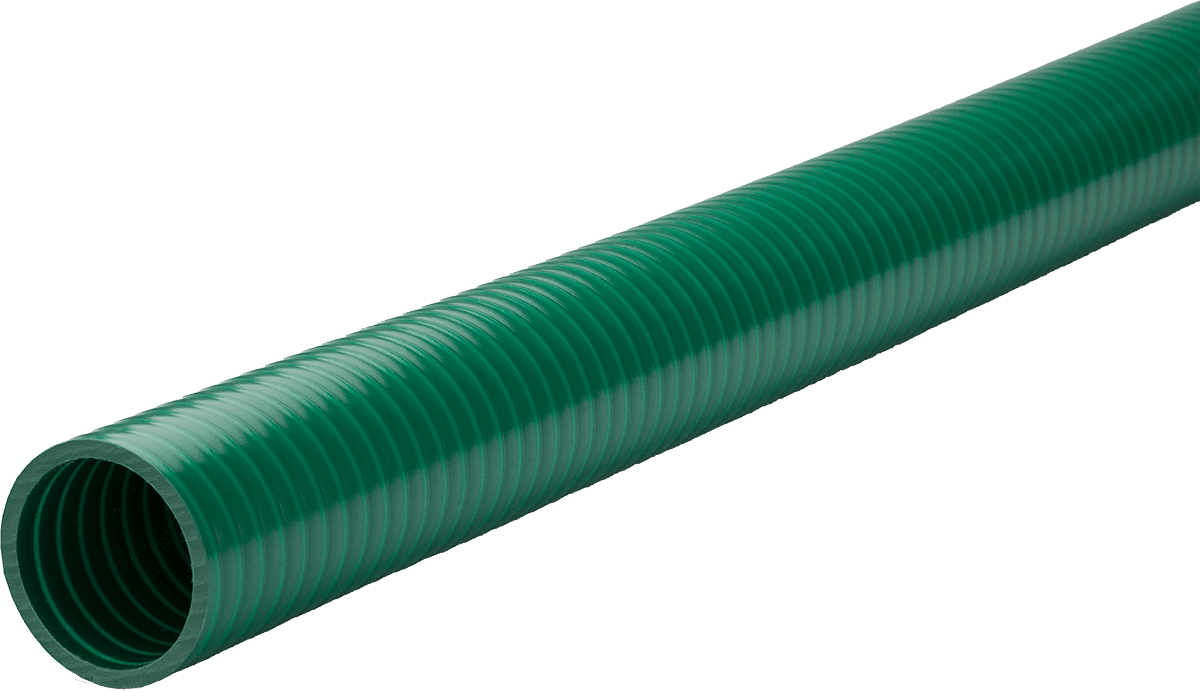
flexFLO™ 114
Lightweight economical water suction and discharge hose
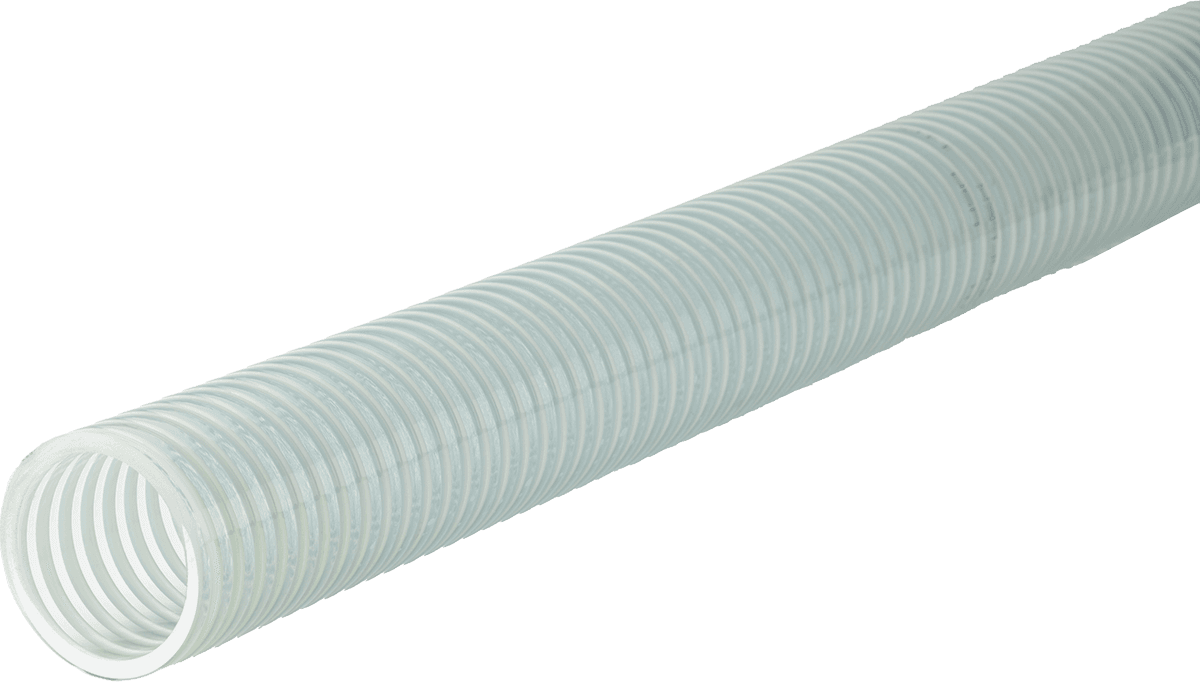
flexFLO™ 114 is the economical, lighter-duty PVC option for compatible agricultural and water-transfer service.
The simplest way to select a hose.
Don’t see your application? Email us.
Application guide
Lightweight economical water suction and discharge hose
flexFLO™ 114 is the economical, lighter-duty PVC option for compatible agricultural and water-transfer service.
Heavy-duty agricultural suction and discharge hose
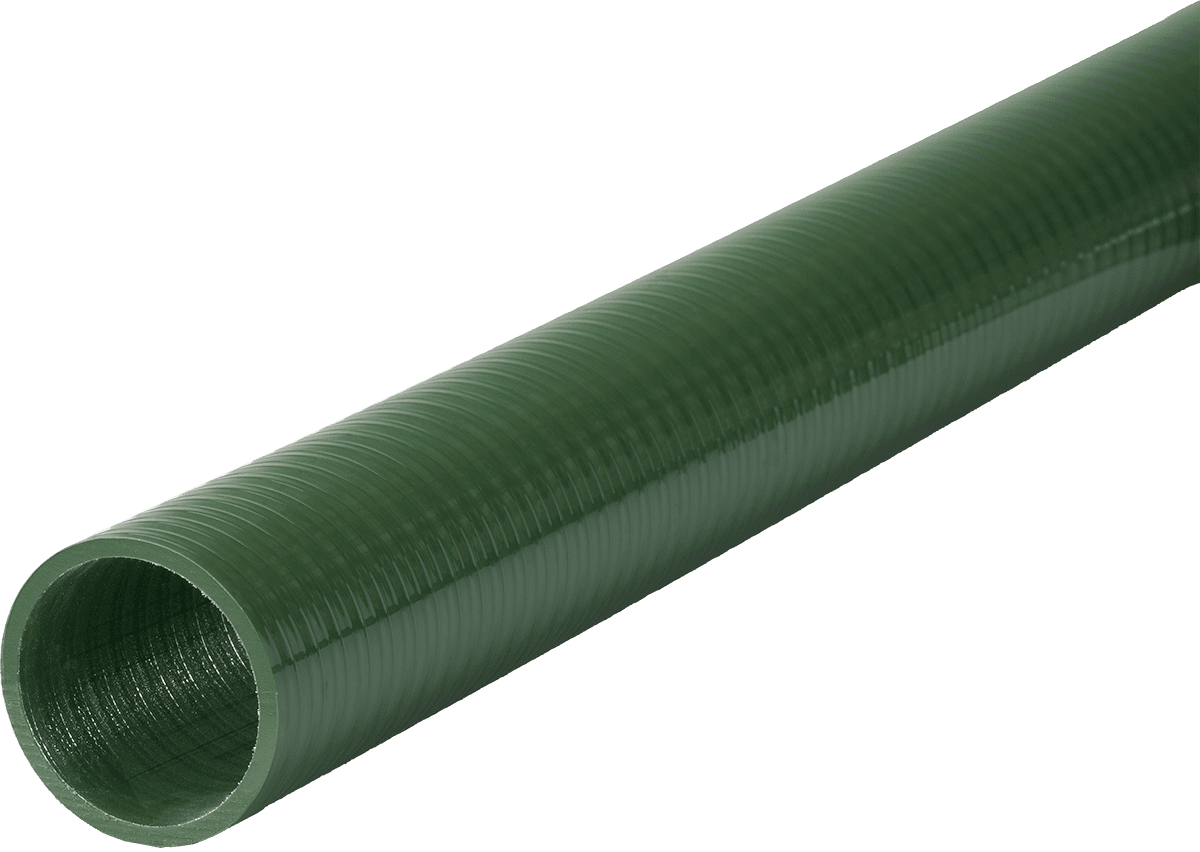
flexFLO™ 112 is the heavier agricultural PVC option. It provides a practical suction-and-discharge choice between the lighter 114 and the heavy-duty 110.
Heavy-duty water suction and discharge hose
flexFLO™ 110 is the heavy-duty general-purpose PVC option. Its water-service construction and broad size range support demanding suction and discharge within the rating of the selected diameter.
Heavy-duty water suction and discharge hose
Use for: Water-and-trash discharge within PVC ratings.
flexFLO™ 110 supports compatible water-and-trash discharge within the published working-pressure rating of the selected diameter. Use it where the duty remains within its PVC construction and operating limits.
Reinforced water suction and discharge hose
Use for: Reinforced water discharge.
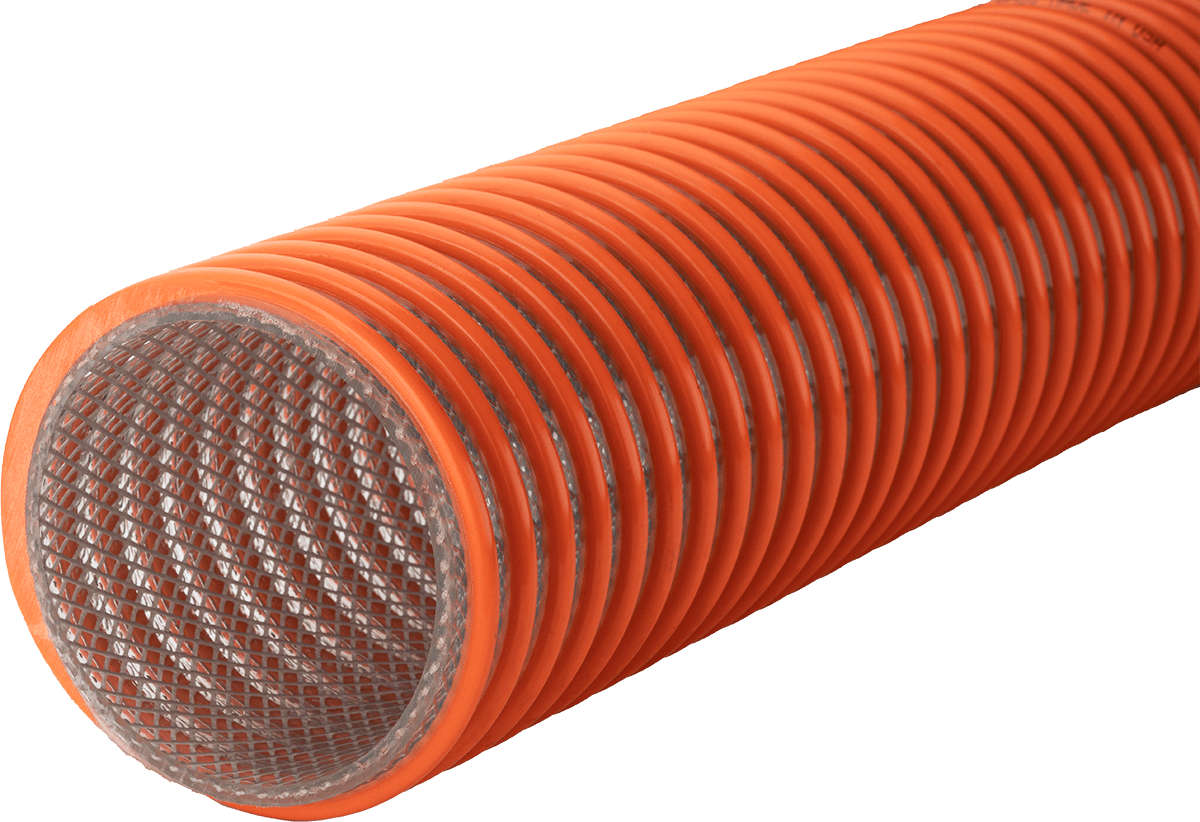
flexFORCE™ SR is the reinforced water and fish suction-and-discharge option. Its construction provides a pressure-capable alternative to general PVC water hose.
Heavy-duty high pressure suction and discharge hose
Use for: Abrasive slurry discharge.
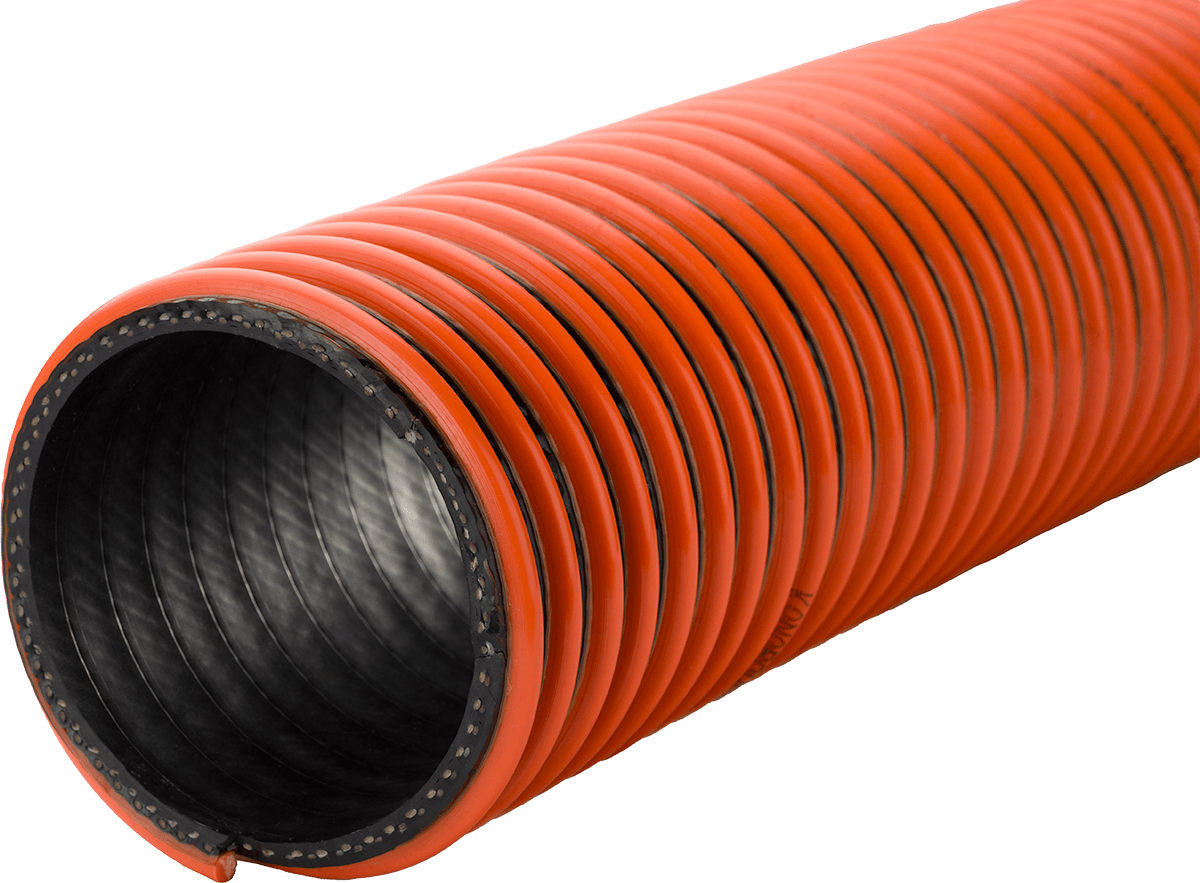
flexVAC™ Max is the reinforced abrasive-slurry specialist. Its published 4-inch working-pressure rating is 140 psi, so a 20 psi boom hose does not replace it in this pressure duty.
Notes: The primary progression covers ordinary rated water-and-trash pumping. Discharge options for specific operating requirements appear under Alternative.
Warning: Sharp debris, large solids and abrasive aggregate can damage a standard PVC water-suction hose. The pump’s solids-passing capacity does not establish hose suitability for every object. Identify the liquid and contaminants and confirm the selected diameter’s pressure, vacuum, temperature and bend-radius limits.