Temperature: The Most Ignored Hose Killer
flexED Knowledge Base
05/21/2026

Temperature: The Most Ignored Hose Killer
When a hose fails, most people blame pressure, abrasion, or chemical attack. Temperature rarely gets the same attention. That’s a mistake. Extreme heat and cold can quietly shorten hose life long before any visible damage appears.
Hot vs Cold Temperature Problems
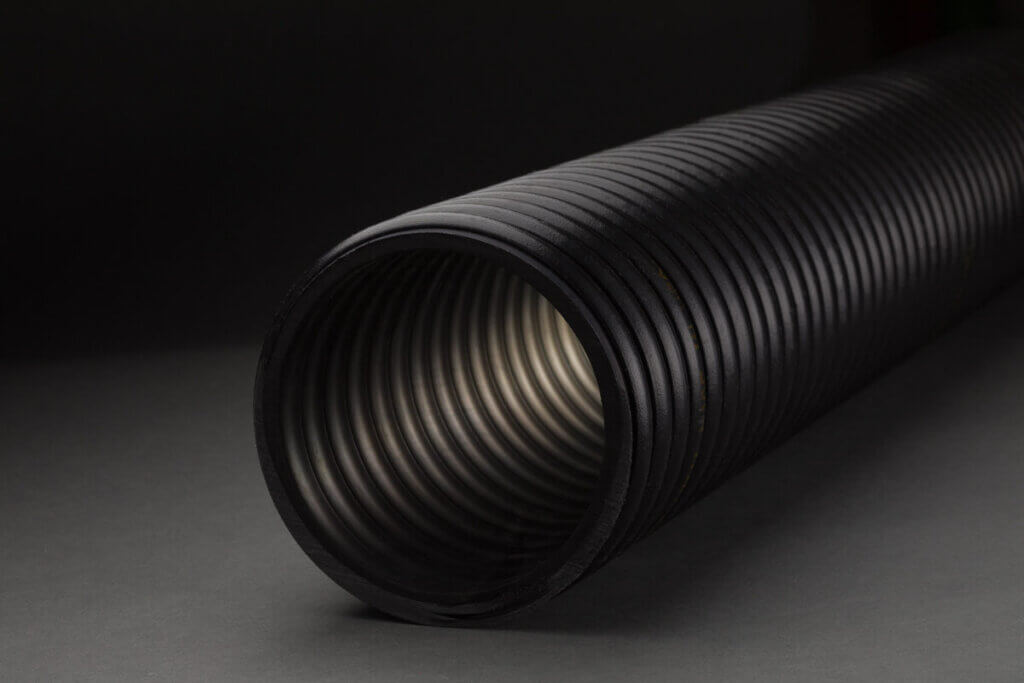
High temperatures can soften hose materials, reduce pressure ratings, accelerate aging, and weaken reinforcement layers. Over time, a hose that once performed reliably can become brittle, cracked, or prone to failure. Our \\\\\ flexVAC 180 HR is our premium heat resistant hose.
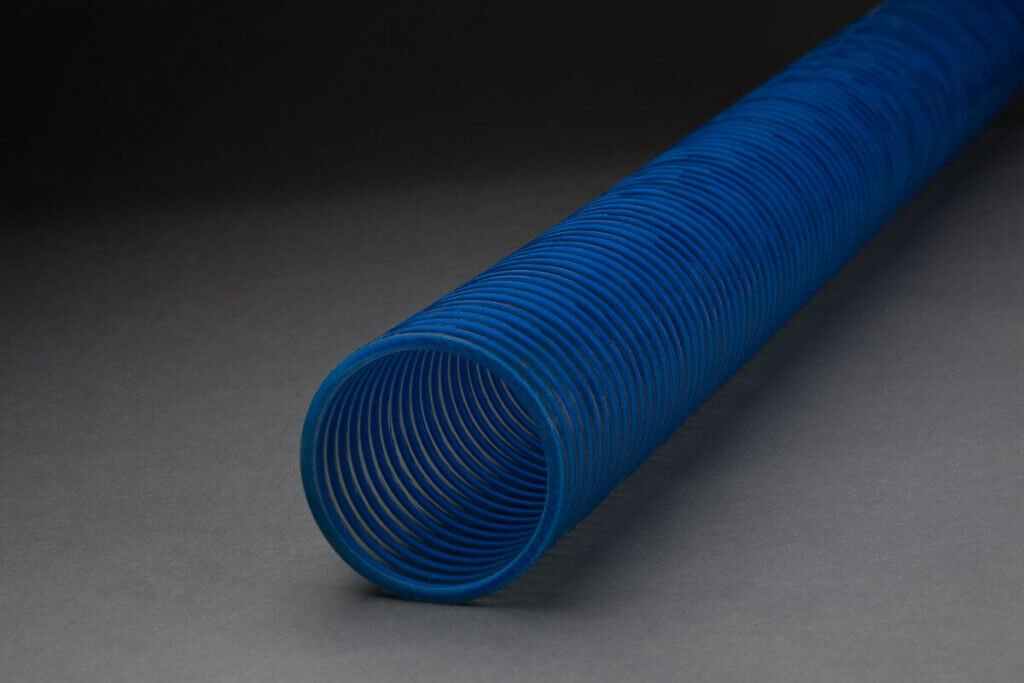
Cold temperatures create a different set of problems. Many hoses become stiffer as temperatures drop, making them more susceptible to kinking, cracking, or damage during handling and installation. Our \\\\\ flexFLO 116 Blue is the ultimate cold weather hose.
Before selecting a hose, always evaluate both the media temperature and the surrounding environment. The right hose for a room-temperature application may not be the right hose when exposed to hot liquids, steam, direct sunlight, freezing conditions, or extreme seasonal swings.
Temperature may be one of the most overlooked factors in hose selection, but it remains one of the most common causes of premature hose failure. Choosing a hose rated for the environment it will actually face is one of the simplest ways to improve safety, reliability, and service life.
flexED™ Takeaway: If you’re not considering temperature, you’re only evaluating part of the application. The environment matters just as much as the material moving through the hose.